
Professional Services
Legal, financial and consulting firms that need authority, clean messaging and strong conversion paths.
San Francisco customers are exposed to excellent brands every day. They notice when a company’s website feels outdated, unclear or difficult to use. Whether the business is a professional practice, nonprofit, hospitality company, consultant or growing startup, the digital experience must establish credibility quickly.
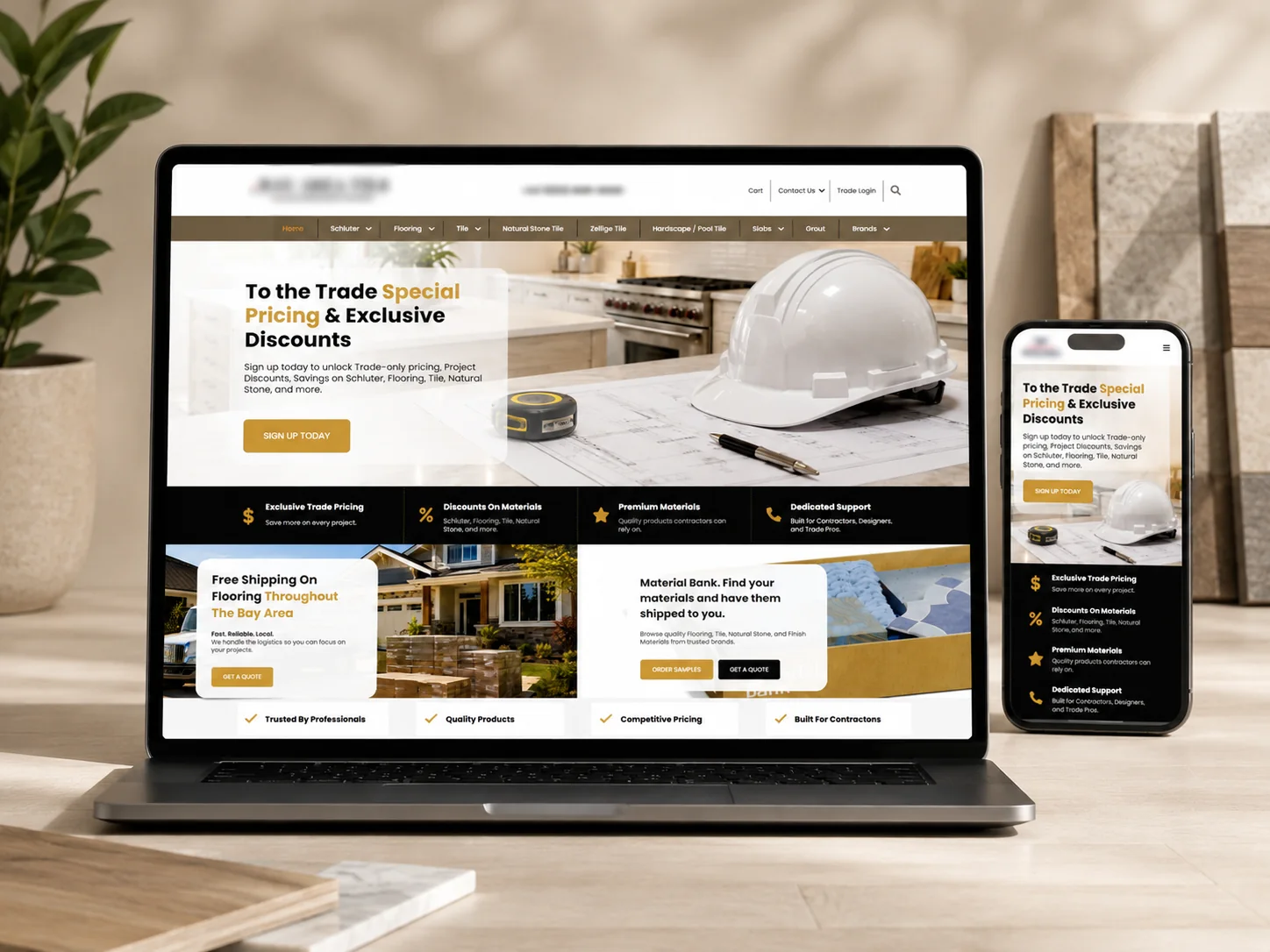
A conversation with a San Francisco business owner often starts differently. It may happen from a small office, a coworking space or a neighborhood café where every nearby company is competing for attention. Space is expensive, expectations are high and nobody has time for a website that makes visitors work to understand what the business does.
That is the San Francisco challenge. The market is sophisticated and unforgiving. Visitors decide within seconds whether a company is credible. The website has to communicate positioning, value and the next step with almost no friction. Fancy effects matter far less than clarity.
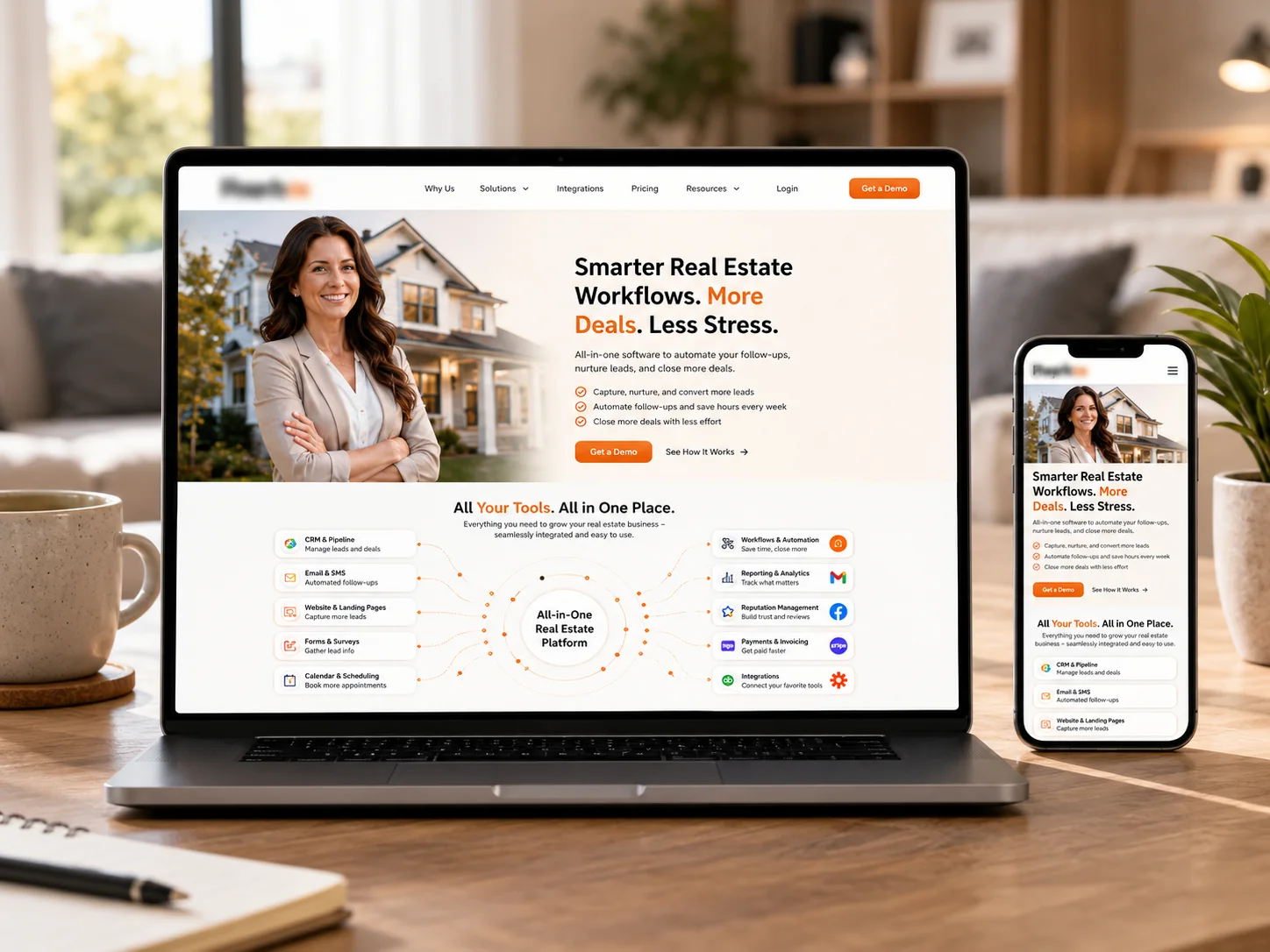
San Francisco businesses do not usually need more words or more visual effects. They need sharper positioning. A visitor should understand the company, the value and the next step within seconds. Strong design supports that clarity rather than competing with it. The problem is often overly clever messaging, complicated navigation or design that looks impressive but does not convert.
Mike’s approach is to define the business problem first. Who is the audience? What do they need to believe? What is the single action the site should encourage? From there, the design, content and technology choices become obvious. The result is a site that performs in a market where attention is scarce and trust is earned quickly.
Legal, financial and consulting firms that need authority, clean messaging and strong conversion paths.
Product and SaaS companies that need technical credibility, fast performance and clear value communication.
Restaurants, venues and event businesses that need booking, visual impact and mobile-first design.
Organizations that need donor engagement, program storytelling and volunteer recruitment.
Medical and wellness practices that need trustworthy, accessible sites with clear paths to book.
High-end local service companies that need refined design, strong reviews and clear service structure.
Standing apart in a sophisticated market, establishing legitimacy quickly, serving local and global audiences, recruiting employees, attracting investors or partners, communicating complex services simply and maintaining a premium visual standard. These are the real challenges. The website is a tool for solving them, not a decoration.
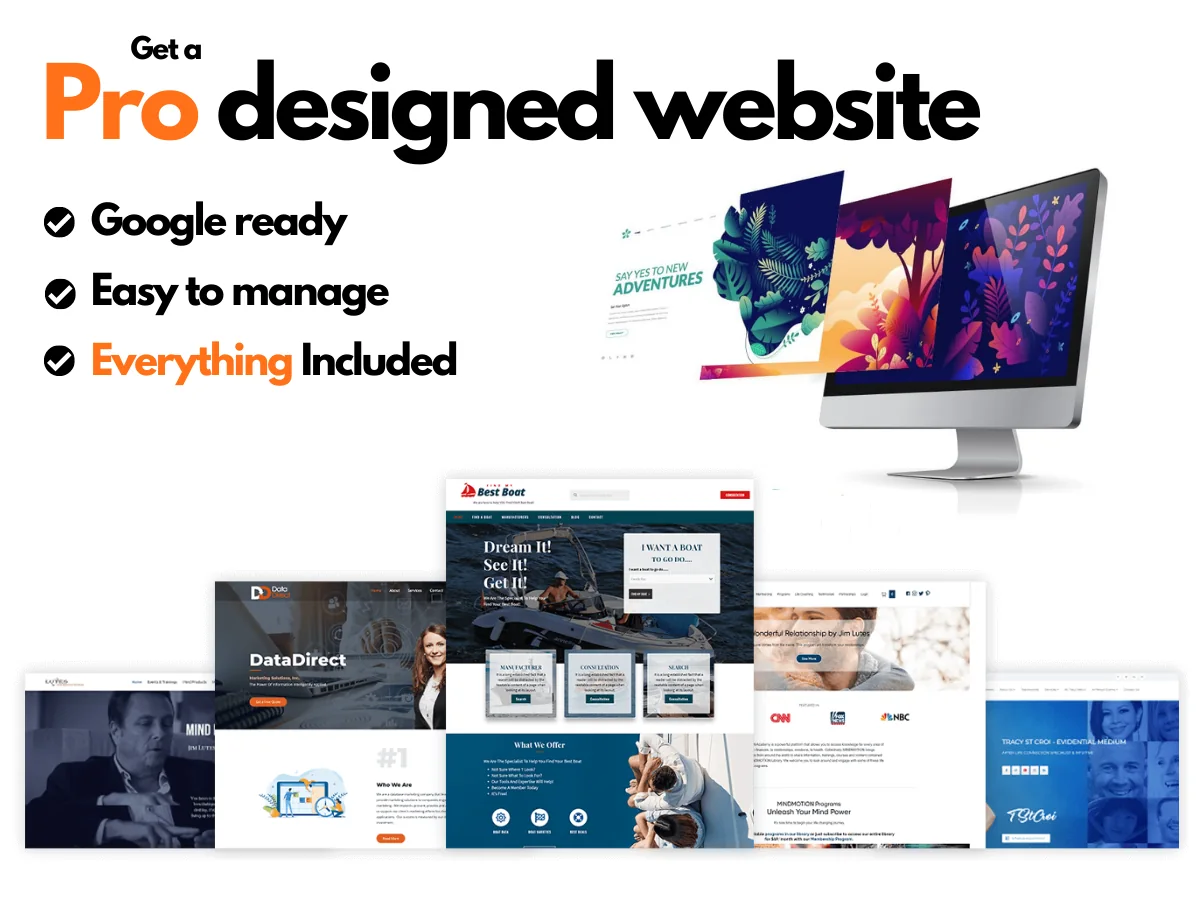
For a San Francisco business, a useful website should make the next step clear. A nonprofit may need donation and event information; a professional firm may need clear service pages and consultation requests; a hospitality business may need booking information that works well on mobile. We scope those requirements around your audience and budget.
Clarify the digital strategy for your San Francisco business before investing in a website, platform or campaign.
Explore consultingBuild the right website, ecommerce system or application for the way your San Francisco business actually works.
Explore websitesStrengthen regional relevance and visibility throughout San Francisco and the wider Bay Area.
Explore local SEOYes. The site and strategy are built around the credibility, conversion and audience goals that matter most in a competitive market.
Yes. Custom ecommerce architecture, application interfaces and conversion-focused landing pages are all part of the work.
Strategy, design reviews, development updates and launch support are handled through phone, video and shared project updates.
Clarity, credibility, fast performance and a clear next step. Visual effects and word count are secondary.
San Francisco projects often arrive with the opposite problem. The business is not invisible; it is confusing. There may be a slick design, clever copy or too many options, but the visitor leaves without understanding what the company does. The first task is to strip away the noise and rebuild around the customer.
Mike starts by defining the audience segments. A nonprofit speaks to donors, volunteers and beneficiaries. A SaaS company speaks to users, decision-makers and investors. A hospitality brand speaks to locals, tourists and event planners. Each audience needs its own path, but the homepage must make the core value obvious to all of them.
Then the design supports the message. Navigation is reduced to the essentials. Pages are structured so scanners and deep readers both find what they need. Calls to action match the stage of the relationship. The technology is built to handle the traffic, integrations and security expectations of a competitive market.
Launch is followed by testing. Do visitors understand the offering? Do they take the next step? Do the forms work on every device? The answers shape the next round of improvements. In San Francisco, a website is never really finished; it evolves with the market.
Premium audiences are not impressed by buzzwords. They are looking for signals: clear credentials, relevant experience, proof of results and an easy way to move forward. A San Francisco website should feel like a confident introduction, not a hard sell. It should answer the questions an educated buyer will ask before they ever contact the company.
The most common mistake in San Francisco is trying to impress rather than communicate. Flashy animations, clever headlines and dense navigation can make a company feel important for a moment, but they rarely convert. The second mistake is copying larger competitors without understanding why their sites work. A startup is not Salesforce. A boutique firm is not a global agency. The third mistake is neglecting mobile performance. San Francisco visitors are mobile, impatient and surrounded by alternatives. A slow or confusing mobile experience is an immediate exit.
Mike avoids these mistakes by starting with the customer and the business objective. The design supports the message. The technology supports the design. Every decision is measured against whether it helps the visitor take the next step.
The first step is a short discovery call. Mike will ask about the business, the audience, the current site and what is not working. He will look at competitors and search results. Then he will propose a scope and a timeline that matches the real need, not a template package. From there, the project moves through strategy, design, content, build, testing and launch with clear approvals at each stage.
Start with an honest conversation about your goals, challenges and opportunities.