
Hospitality & Wineries
Tastings, tours, events and reservations need visual storytelling and easy booking paths.
North Bay businesses are often built around reputation, relationships and a strong sense of place. From Benicia and Vallejo to Napa and communities throughout the wine country, customers want to know who they are doing business with. A generic website rarely communicates that connection.
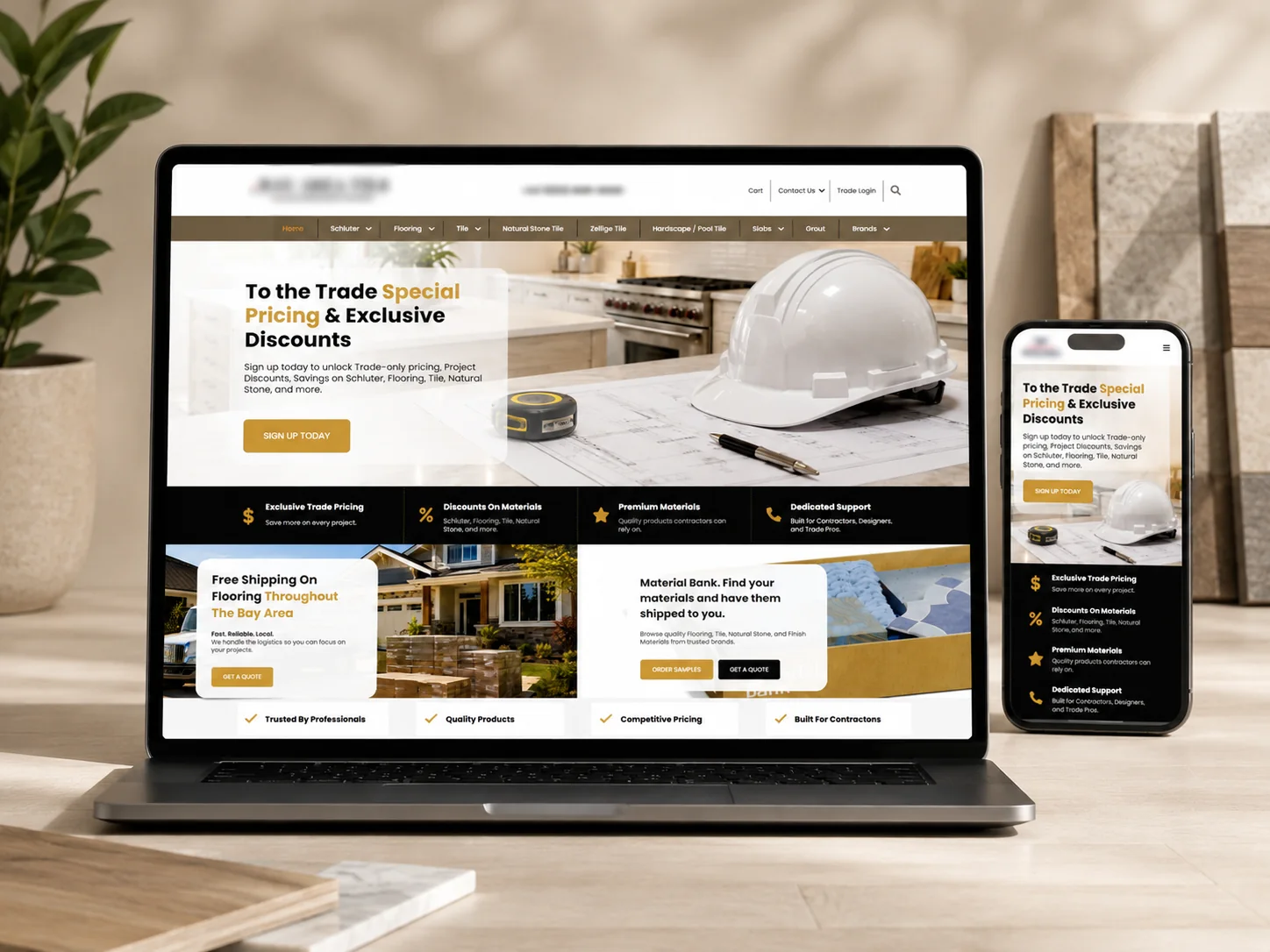
The pace may feel different from San Francisco or Silicon Valley, but the competition is still real. A customer searching from a phone in Napa, Benicia or Vallejo will compare several businesses in minutes. The company with the clearest message, strongest proof and easiest path to contact usually earns the conversation.
North Bay customers often decide based on trust and familiarity. They want to see who runs the business, what other locals say and how easy it is to get in touch. A website here should feel like it belongs to the community, not a template that could be anywhere.
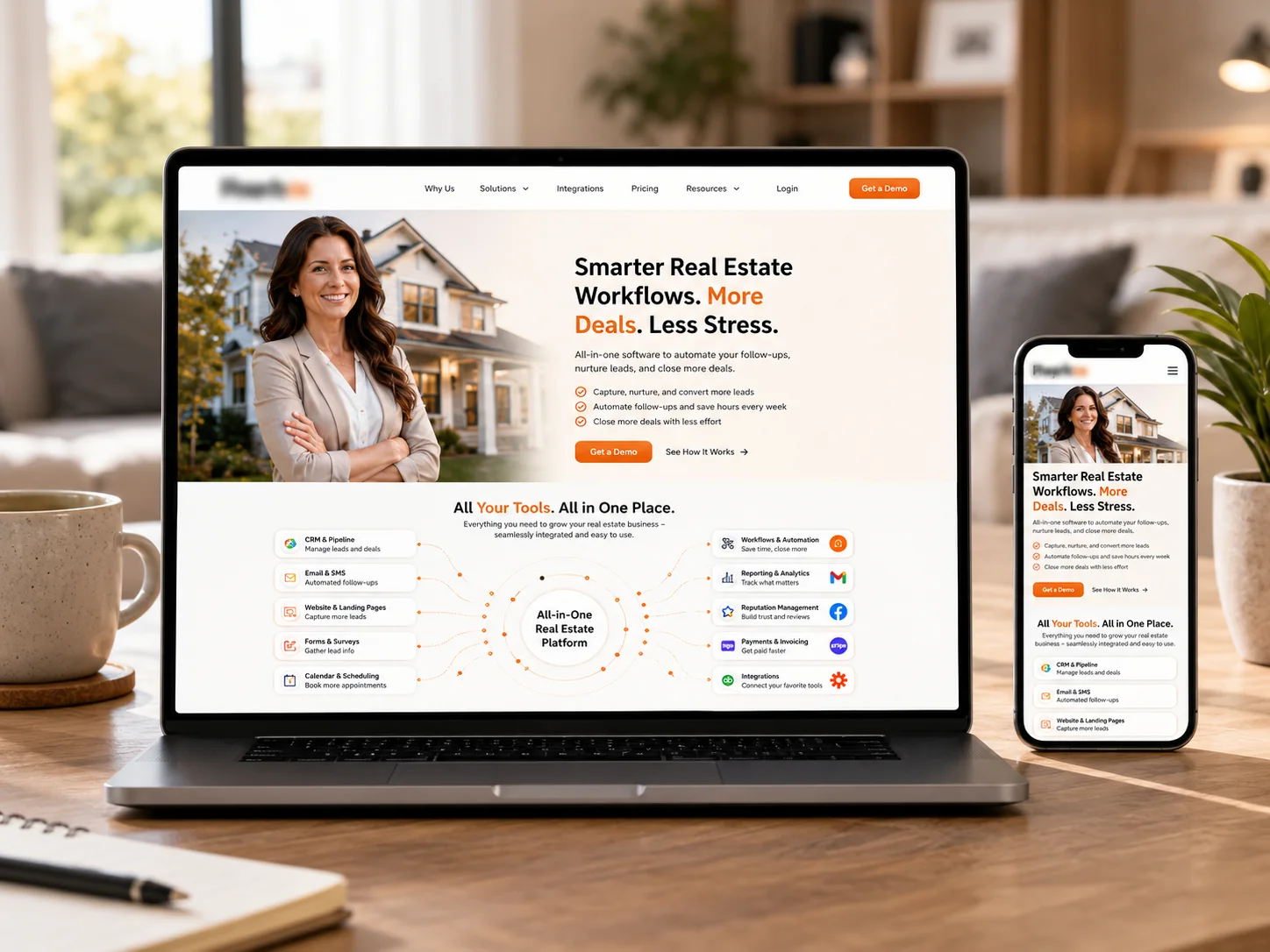
A North Bay website should not feel like it could belong to a business anywhere in the country. The photography, language, customer stories and service information should reflect the community the company actually serves. That does not mean forcing location names into every paragraph. It means allowing the real character of the business to come through.
For a winery, that may mean strong visuals, event integration and an easy tasting reservation. For a contractor, it may mean service areas, project galleries and review proof. For a tourism business, it may mean mobile-first design, maps and seasonal content. The approach changes with the business, but the goal is the same: make the visitor feel like they have found a local expert.
Tastings, tours, events and reservations need visual storytelling and easy booking paths.
Businesses that depend on seasonal traffic need mobile-friendly menus, events and clear directions.
Painting, plumbing, property services and trades need local SEO, service pages and quote forms.
Local stores and service firms need search visibility, clear offerings and easy contact.
Practices and nonprofits need trustworthy, accessible sites that serve patients, donors and volunteers.
Event venues, farms and producers need seasonal content, calendars and direct booking.
Reputation, local referrals, tourism and seasonal demand, visual storytelling, mobile visitors, maps and directions, reviews, event and hospitality needs, service-area clarity and community relationships. These themes guide every North Bay project.
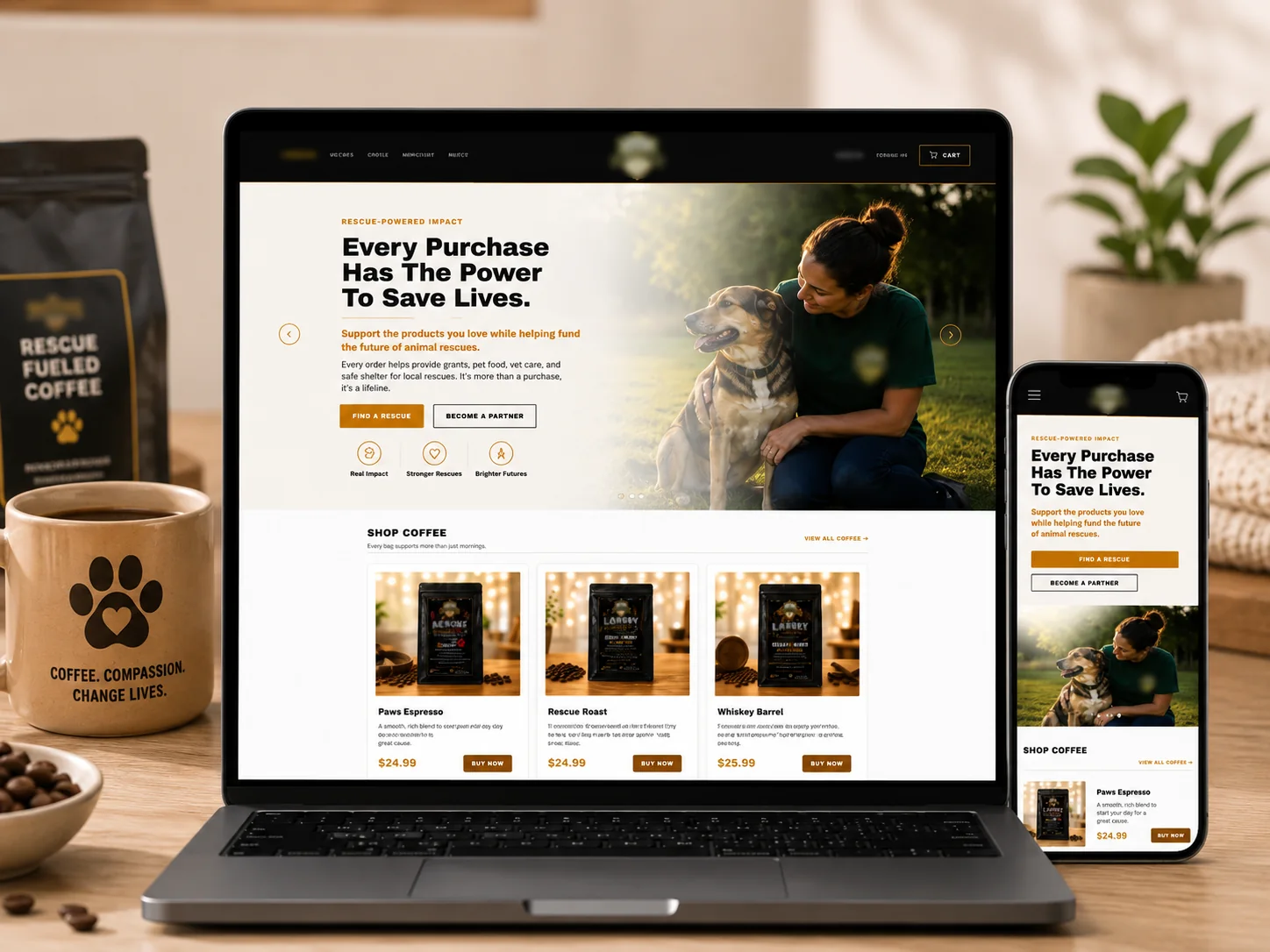
A North Bay website can support reservations, service inquiries or seasonal promotions. Plan around the way your customers buy: explain availability, show accurate service areas and make it easy to contact your team. Integrations and content requirements are agreed before development.
Napa, Vallejo, Benicia, Sonoma-area communities and nearby towns. Each project is scoped around the cities the business genuinely serves.
Clarify the digital strategy for your North Bay business before investing in a website, platform or campaign.
Explore consultingBuild the right website, ecommerce system or application for the way your North Bay business actually works.
Explore websitesStrengthen regional relevance and visibility throughout North Bay and the wider Bay Area.
Explore local SEOExplore neighboring regions: East BaySan FranciscoSouth BayPeninsula.
Yes. Ecommerce, event calendars, reservation integrations, local SEO and strong mobile experiences are common needs.
Yes. Service-area pages, review strategy, quote forms and local search optimization are built for these businesses.
Yes. The work can include content strategy, booking integrations, event pages and visibility in local and travel searches.
Photography, language, customer stories and service information that reflect the actual community the business serves.
North Bay projects are deeply tied to the rhythm of the business. A winery has harvest, tasting season, event season and off-season. A contractor has busy seasons and weather delays. A tourism business has peak weekends and quiet weekdays. The website has to serve the business in every season, not just look good on launch day.
Mike begins by understanding the calendar. When do customers plan? When do they book? When do they search? When do they call? The site structure, content and calls to action are arranged around those moments. A harvest announcement, an event calendar, a seasonal promotion or an updated service area all become part of the ongoing strategy.
Visual storytelling is important in the North Bay, but it must be fast and mobile-friendly. Visitors often browse while traveling, searching from a phone, deciding where to go next. A slow or confusing site loses them immediately. The technical performance is part of the brand experience.
Local reputation is everything. Reviews, referrals and word-of-mouth drive a lot of North Bay business. The website makes that reputation visible through customer stories, review integration, project galleries and clear service information. It turns a good local name into a searchable, shareable digital presence.
North Bay businesses cannot afford a site that only works in one season. The content management system, calendar tools and promotional areas all need to be easy to update. Mike builds with the team in mind, so seasonal changes do not require a developer every time.
The most common mistake in the North Bay is using a generic template that does not reflect the business or the community. A winery site that looks like a law firm site, or a contractor site that looks like a restaurant site, fails before the visitor reads a word. The second mistake is hiding the local character. Visitors want to know where the business is, who runs it and what other locals say. The third mistake is neglecting mobile speed. Tourists and locals search on phones, often with spotty connections.
Mike avoids these mistakes by designing around the real business and the real community. The visuals, language and structure all reinforce the local identity while performing well on every device.
The first step is a conversation about the business rhythm, the customer and the community. Mike will ask about peak seasons, booking patterns, review sources and what makes the business different. He will then propose a plan that includes the right content, tools and seasonal strategy. The build is designed to be easy to update, so the site stays relevant all year.
Start with an honest conversation about your goals, challenges and opportunities.